
The Talking Heads’ model of supervision training in education settings is known as the Integrated Model of Supervision in Schools (IMS(S)). This relational, developmental, restorative approach has been specifically adapted and trialled for use in educational settings. It aligns with trauma informed practices and supports safeguarding students. Designed as an internal model, it is intended for supervisors who wish to provide supervision within their own educational environment.
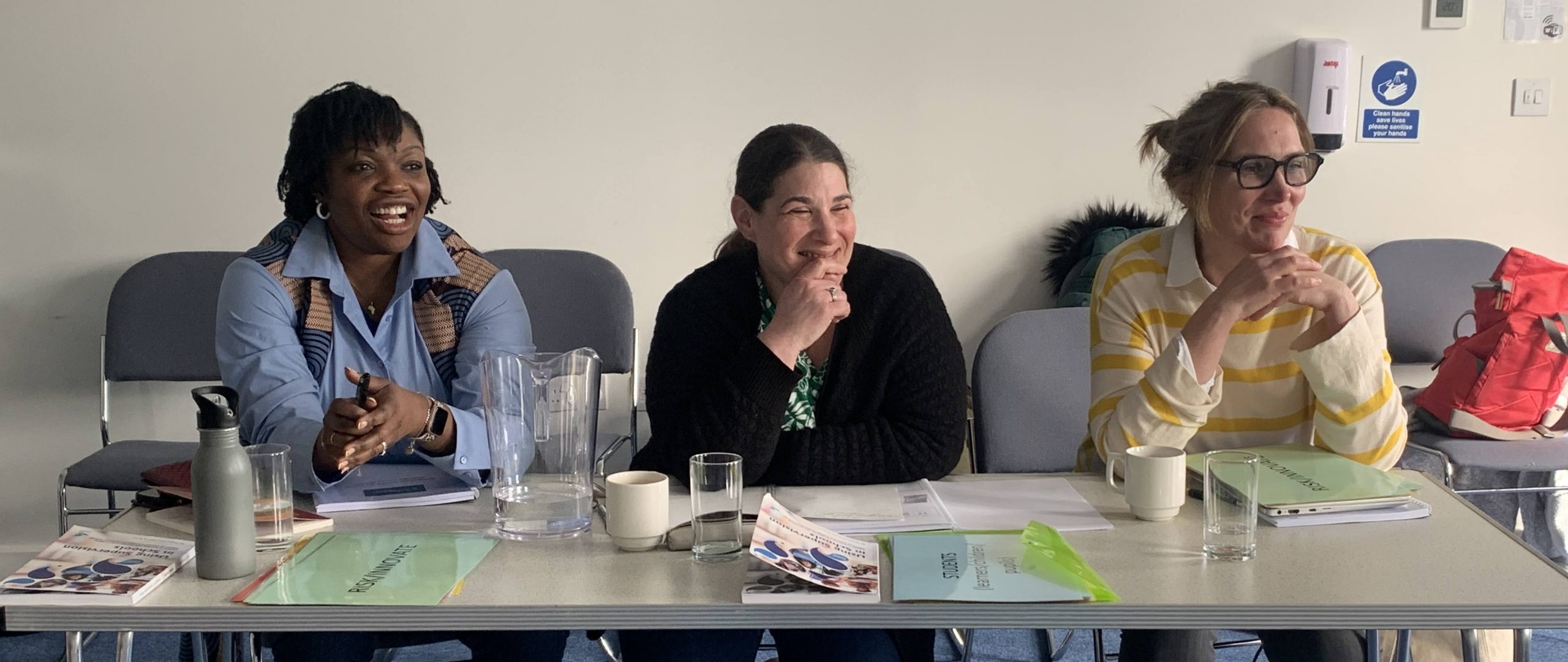
Why is supervision training important in schools?
Educational settings often play a central role in supporting children, young people and families who may require additional help. As well as contributing to multi-agency safeguarding systems, schools are increasingly being called upon to provide Early Help in addressing a range of complex issues, from supporting vulnerable families to responding to the mental health needs of pupils. These growing demands can place significant pressure on staff, leaving them feeling emotionally drained, lacking in confidence and overwhelmed by expectations.
Supervision can make a meaningful difference to the well-being of staff, pupils and families. It offers a dedicated space for staff to reflect on their thoughts, feelings and responses, while building confidence in managing complex and often emotionally challenging situations.
Supervision Training Courses
Talking Heads is delighted to offer supervision training to education settings where there is a clear readiness to extend supervision practices to a wider group of staff. Recognising that supervision is still a relatively new concept in education and may require further explanation, we strongly encourage all participants enrolling in our supervisor training courses to have experienced supervision themselves. This ensures a deeper understanding of the process and its value in practice. Supervision in mental health and in social work is a career long conversation and expectation which relates to quality of practice.
At Talking Heads, we offer two supervision training courses that provide the foundations for and support the development of an organisational culture that integrates supervision into education settings.
An excellent resource and fantastic concept for empowerment!
Having completed the Talking Heads UK course on supervision in schools, I’ve found it incredibly valuable. Working alongside other education professionals provided such rich perspectives on how supervision can genuinely support staff wellbeing and professional growth.
What made this course stand out was the practical focus. We explored concrete tools and strategies that make supervision a meaningful process rather than just another box-ticking exercise. The course really opened my eyes to the power of supervision when it’s done well, moving beyond basic performance management to create spaces for genuine reflection and professional development.
The blend of theory and practical application means I’ve come away with approaches I can actually implement. I’d highly recommend this course to any school leaders looking to strengthen their supervision practice and create more supportive cultures in their settings.

Supervision Training Courses
Talking Heads is delighted to offer supervision training to education settings where there is a clear readiness to extend supervision practices to a wider group of staff. Recognising that supervision is still a relatively new concept in education and may require further explanation, we strongly encourage all participants enrolling in our supervisor training courses to have experienced supervision themselves. This ensures a deeper understanding of the process and its value in practice. Supervision in mental health and in social work is a career long conversation and expectation which relates to quality of practice.
At Talking Heads, we offer two supervision training courses that provide the foundations for and support the development of an organisational culture that integrates supervision into education settings.
Introduction Workshop – Setting the Scene for Successful Supervision in Education
4 hour online workshop – £100 +VAT per person
Next workshop 16 June 2026 at 9.30am
We will explore what supervision is (and isn’t), why it matters, and how to build a culture where it can thrive. You will also learn how effective supervision can strengthen safeguarding and support staff wellbeing.
This online workshop looks at how to create a supervision framework that fits with your existing school or organisation policies. It also introduces the Integrated Model of Supervision in Schools model (Sturt & Rowe).
The four-hour session is designed for senior leaders, governors, trustees and educators who are developing – or thinking about introducing – supervision in their setting.
Excellent and informative session, the right amount of interaction and a totally safe space where I learned a lot!
Foundation Course – learning to be a supervisor within an educational setting
2 days in person and 1 day online – £700 + VAT per person
The next course will be in October 2025. All dates for the next Academic Year will be shared soon.
The IMS(S) Foundation Course is offered to educators who wish to train to deliver best practice supervision in their own educational settings. The course is offered to people working in education settings where there is a clear readiness to extend supervision to staff in the setting. We strongly encourage all participants enrolling on this course to have experienced supervision themselves.
This course explores the importance of establishing a supervision framework that works with existing policies in the education setting. It introduces the IMS(S). It gives participants the foundation knowledge to become a supervisor in their own educational setting.
Participants will be introduced to the IMS(S) and will gain the foundational knowledge and skills needed to begin practising as supervisors within their own schools or educational settings. The training is delivered in person for two consecutive days followed by a third day held several weeks later online.
During the training days delegates will be introduced to the IMS(S); at its heart is the supervision cycle. Participants will be offered the opportunity to try out the supervision cycle (a model that develops emotional containment, reflection, critical analytical thinking and defensible decision making). Supervision is a relational, restorative process designed to be trauma responsive.
This course is designed to train educators to offer supervision in their own setting, but should participants wish to develop their training further, we are delighted to confirm that completing this foundation course will count towards the Diploma/Certificate in Supervision offered by the Centre for Supervision Training and Development in Bath (CSTD Bath) and removes the requirement to undertake the ‘Introduction to Reflective Supervision in Education (RSiE)’ module of the Diploma/Certificate. Completing the training at CSTD Bath opens up the potential to educators to also offer supervision to people outside of their own setting. CSTD Bath have been providing supervision training since 1979 and is considered one of the leading providers of supervision training. Visit www.cstdbath.co.uk to find out more.
This course is invaluable for bridging the gap between coaching and counselling. It is crucial that we recognise the need for teachers at all levels to receive this kind of a support on a regular basis, especially in a fast changing society with so many pressures. It is very well led and utterly engaging.
Foundation Course – learning to be a supervisor within an educational setting
2 days in person and 1 day online – £700 + VAT per person
The next course will be in October 2025. All dates for the next Academic Year will be shared soon.
The IMS(S) Foundation Course is offered to educators who wish to train to deliver best practice supervision in their own educational settings. The course is offered to people working in education settings where there is a clear readiness to extend supervision to staff in the setting. We strongly encourage all participants enrolling on this course to have experienced supervision themselves.
This course explores the importance of establishing a supervision framework that works with existing policies in the education setting. It introduces the IMS(S). It gives participants the foundation knowledge to become a supervisor in their own educational setting.
Participants will be introduced to the IMS(S) and will gain the foundational knowledge and skills needed to begin practising as supervisors within their own schools or educational settings. The training is delivered in person for two consecutive days followed by a third day held several weeks later online.
During the training days delegates will be introduced to the IMS(S); at its heart is the supervision cycle. Participants will be offered the opportunity to try out the supervision cycle (a model that develops emotional containment, reflection, critical analytical thinking and defensible decision making). Supervision is a relational, restorative process designed to be trauma responsive.
This course is designed to train educators to offer supervision in their own setting, but should participants wish to develop their training further, we are delighted to confirm that completing this foundation course will count towards the Diploma/Certificate in Supervision offered by the Centre for Supervision Training and Development in Bath (CSTD Bath) and removes the requirement to undertake the ‘Introduction to Reflective Supervision in Education (RSiE)’ module of the Diploma/Certificate. Completing the training at CSTD Bath opens up the potential to educators to also offer supervision to people outside of their own setting. CSTD Bath have been providing supervision training since 1979 and is considered one of the leading providers of supervision training. Visit www.cstdbath.co.uk to find out more.
Trainer –
Penny Sturt

Lead Associate for Training,
Talking Heads Supervision
Penny Sturt brings several decades of experience in supervising professionals across social care, health, education and the third sector, with a strong focus on improving outcomes for children and supporting staff wellbeing. She has played a key role in national initiatives delivering supervision training to social work leaders, most notably through the Practice Supervisors Development Programme (Research in Practice, 2018–2022).
Since 2012, Penny has extended her work to Early Years and education settings, where she provides both supervision and training in supervision practice. Her background includes work in adult and child mental health, child protection, expert witness testimony and university lecturing.
Penny remains deeply committed to safeguarding children and to embedding supervision within the safeguarding culture of organisations. She believes that staff perform at their best when they are well supported, given opportunities for professional growth and have the capacity to remain emotionally responsive and attuned in their work.
Books
Sturt, P., and Wonnacott, J. (2016) Supervision for Early Years Workers. Pavilion
Sturt, P., and Rowe, J. (2018) Using Supervision in Schools: A Guide to Building Safe Cultures and Providing Emotional Support in a Range of School Settings . Pavilion
Sturt, P., and Rowe, J. (2023) Using Supervision in School in a range of education settings.” Pavilion
Articles
Sturt, P. and Rothwell, B. (2019) Implementing the integrated model of supervision a view from the training room. Aotearoa New Zealand Social Work 31 (3) 116-121